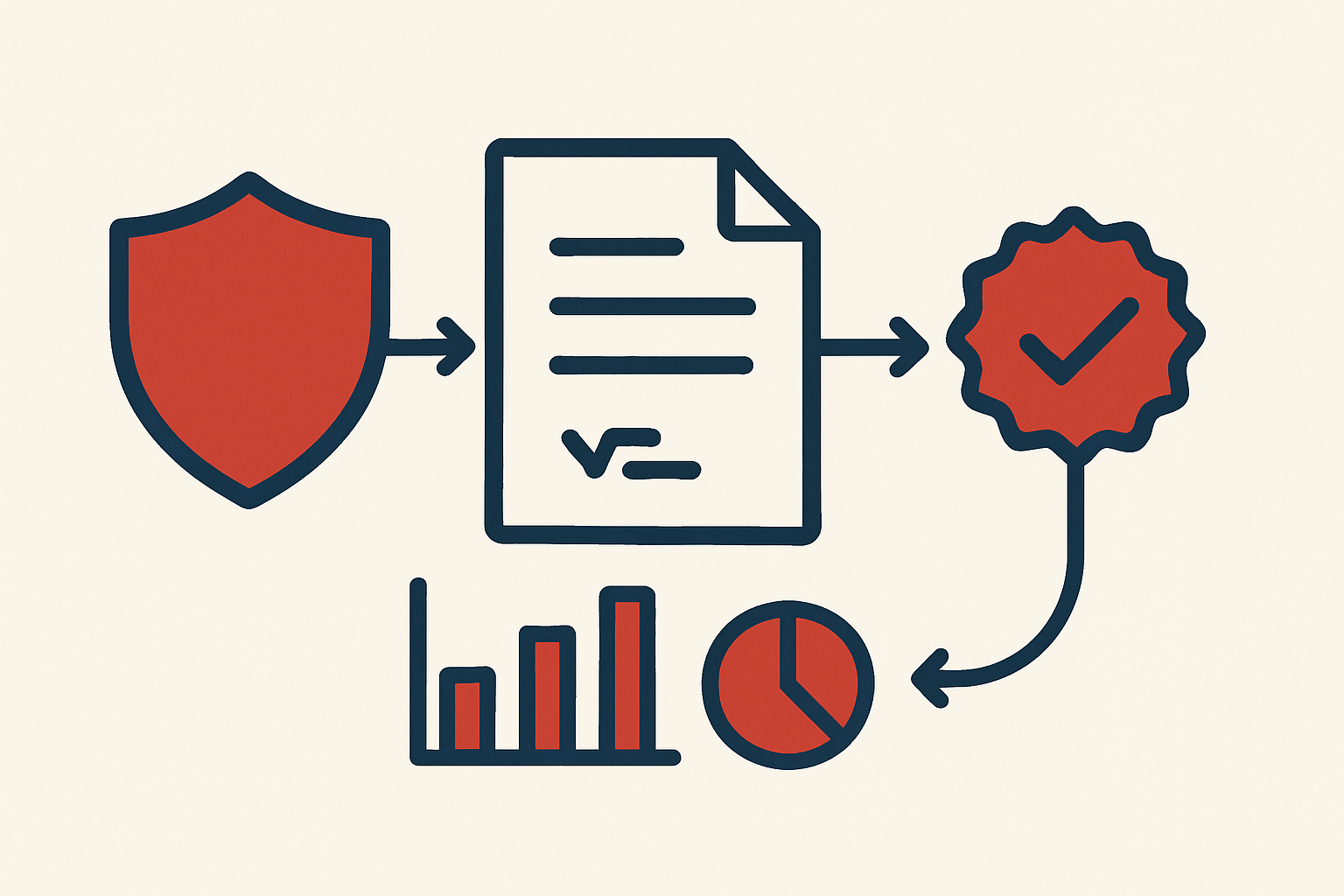
Medicare-accepted addiction treatment provides comprehensive coverage for substance abuse services, helping millions of Americans access life-saving recovery programs. Medicare Part A covers inpatient rehabilitation, while Part B includes outpatient counseling and medication-assisted treatment options.
Understanding Medicare's addiction treatment benefits ensures you receive necessary care without overwhelming financial burden. Coverage includes detoxification, behavioral therapy, prescription medications, and ongoing support services through qualified providers nationwide.
Key Takeaways
- Medicare Part A covers inpatient addiction treatment at certified facilities with no time limits for medically necessary care
- Part B covers 80% of outpatient addiction services after deductible, including counseling and medication-assisted treatment
- Over 4,000 Medicare-certified addiction treatment facilities operate across the United States
- Medicare covers FDA-approved medications like buprenorphine, methadone, and naltrexone for opioid addiction treatment
- Medicare Advantage plans often provide additional addiction services beyond traditional Medicare coverage
Medicare Part A Inpatient Treatment Coverage
Medicare Part A covers inpatient addiction treatment at Medicare-certified hospitals and residential facilities. This includes detoxification services, medical monitoring, and intensive rehabilitation programs lasting typically 30 to 90 days.
Coverage begins after meeting your annual deductible and includes room, board, nursing care, and physician services. Medicare pays 100% of covered services for the first 60 days, with coinsurance applying for extended stays.
residential treatment facilities must meet specific Medicare certification requirements to provide covered services. These standards ensure quality care delivery and proper medical oversight throughout your recovery process.
Medicare Part B Outpatient Services
Part B covers outpatient addiction treatment including individual counseling, group therapy, and intensive outpatient programs. Medicare pays 80% of approved charges after you meet your annual deductible.
Covered outpatient services include psychiatric evaluations, behavioral therapy sessions, and medication management appointments with qualified providers. Treatment plans must be medically necessary and prescribed by Medicare-approved healthcare professionals.
mental health parity laws ensure addiction treatment receives equal coverage compared to other medical conditions. This eliminates previous limitations on outpatient behavioral health visit frequencies and duration.
Medication-Assisted Treatment Under Medicare
Medicare covers FDA-approved medications for substance abuse treatment when prescribed by certified healthcare providers. Part B covers injectable medications administered in clinical settings, while Part D covers oral medications.
Buprenorphine, methadone, and naltrexone receive Medicare coverage for opioid addiction treatment. These evidence-based medications reduce cravings and withdrawal symptoms while supporting long-term recovery goals.
Prescribing physicians must complete specialized training and obtain DEA waivers for certain medications. This ensures proper prescribing practices and ongoing patient monitoring throughout treatment.
Medicare Part D Prescription Coverage
Part D plans cover addiction treatment medications including antidepressants, anti-anxiety medications, and specialized addiction drugs. Coverage varies by plan formulary, requiring prior authorization for certain medications.
Monthly prescription costs depend on your plan's coverage tier and whether you've reached the coverage gap. Many Medicare Advantage plans include enhanced Part D benefits for addiction treatment medications.
Finding Medicare-Approved Treatment Facilities
Medicare-certified addiction treatment facilities maintain quality standards and accept Medicare assignment for covered services. Use Medicare's online provider directory to locate certified facilities in your area.
Contact facilities directly to verify current Medicare acceptance and available services. Some providers may have limited Medicare slots or waiting lists for specific treatment programs.
State insurance departments and SAMHSA's treatment locator provide additional resources for finding Medicare-accepting addiction treatment providers. These tools help identify appropriate care levels and specialty services.
Treatment Facility Certification Requirements
Medicare-certified facilities must meet federal conditions of participation including staff qualifications, safety standards, and quality assurance programs. Regular inspections ensure ongoing compliance with Medicare requirements.
Facilities provide comprehensive treatment planning, discharge planning, and coordination with primary care providers. This integrated approach supports continuity of care throughout your recovery journey.
Medicare Advantage Addiction Treatment Benefits
Medicare Advantage plans often provide enhanced addiction treatment benefits beyond traditional Medicare coverage. These may include transportation services, extended outpatient coverage, and alternative therapy options.
Many plans offer care coordination services connecting you with appropriate treatment providers and support resources. Some plans include telehealth options for ongoing counseling and medication management.
Compare Medicare Advantage plans during open enrollment to find enhanced addiction treatment benefits. Review each plan's provider network and coverage limitations before making your selection.
Frequently Asked Questions
Does Medicare cover prescription drug addiction treatment?
Yes, Medicare covers prescription drug addiction treatment through Parts A, B, and D. Coverage includes detoxification, counseling, medication-assisted treatment, and ongoing support services at certified facilities nationwide.
What addiction treatment medications does Medicare cover?
Medicare covers FDA-approved addiction medications including buprenorphine, methadone, naltrexone, and supporting medications. Part B covers injectable forms while Part D covers oral medications through prescription plans.
How much does Medicare pay for addiction treatment?
Medicare Part A covers 100% of inpatient treatment costs for 60 days after deductible. Part B pays 80% of outpatient services after deductible, with remaining 20% patient responsibility.
Can I use Medicare for outpatient addiction counseling?
Yes, Medicare Part B covers outpatient addiction counseling including individual therapy, group sessions, and intensive outpatient programs. Mental health parity ensures equal coverage with other medical conditions.
Do I need referrals for Medicare addiction treatment?
Medicare doesn't require referrals for addiction treatment services, but some Medicare Advantage plans may require prior authorization or referrals from primary care providers for certain services.
Bottom Line
Medicare provides comprehensive addiction treatment coverage through Parts A, B, and D, ensuring access to quality care at certified facilities nationwide. Understanding your coverage options helps you receive necessary treatment while managing costs effectively.
For additional information about prescription addiction recovery and treatment resources, prescriptionaddictionradio.com offers expert discussions and educational content supporting your journey toward lasting recovery and improved health outcomes.
References
- Centers for Medicare & Medicaid Services. (2023). Medicare Coverage of Substance Abuse Services. https://www.cms.gov
- Substance Abuse and Mental Health Services Administration. (2023). Medicare and Addiction Treatment Coverage Guidelines. SAMHSA Publications.
- Department of Health and Human Services. (2023). Medicare Part D Prescription Drug Coverage for Substance Abuse Treatment. https://www.hhs.gov
- National Institute on Drug Abuse. (2023). Medication-Assisted Treatment Coverage Under Medicare. NIDA Research Reports.
- Medicare.gov. (2023). Finding Medicare-Approved Treatment Providers. https://www.medicare.gov