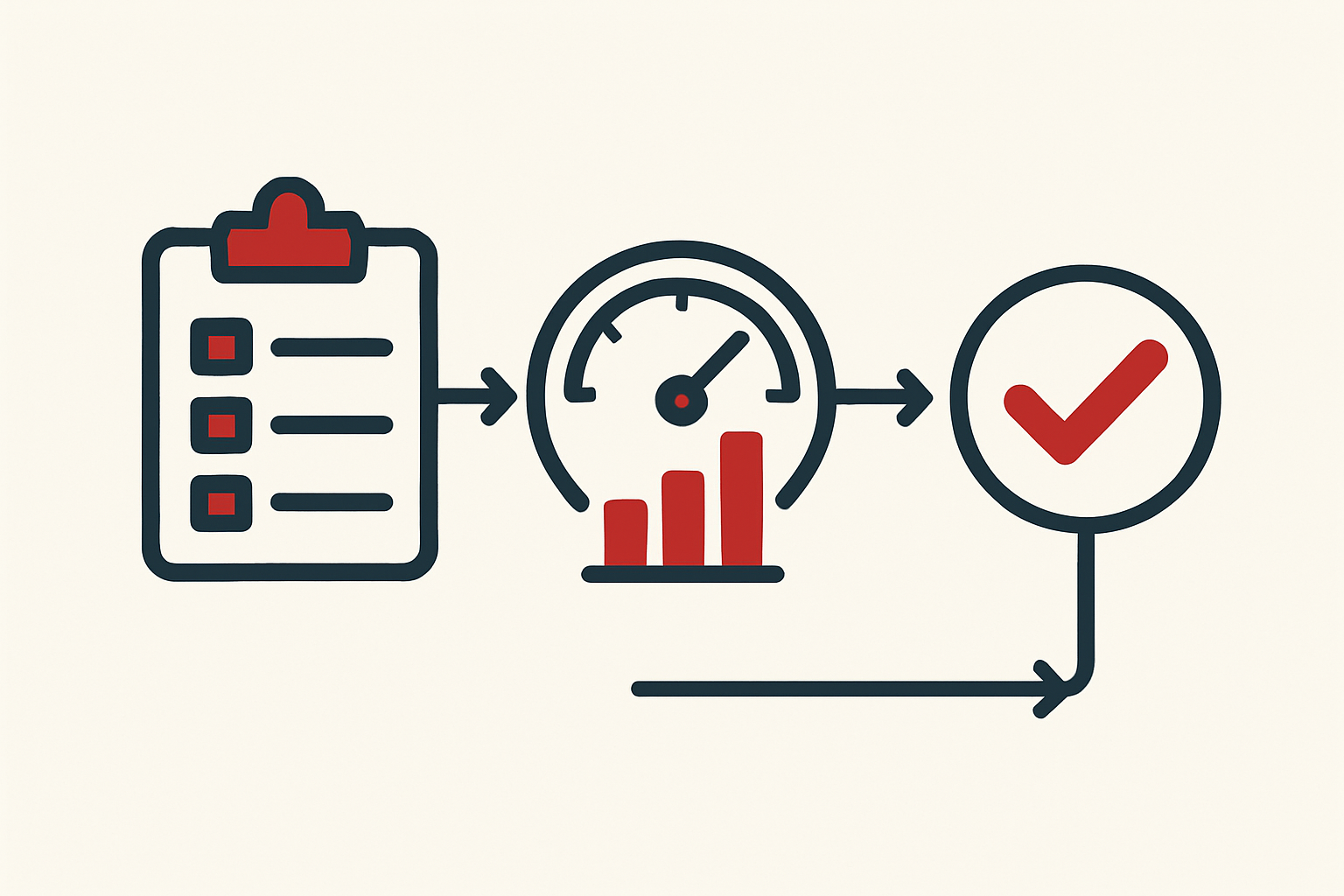
Executive addiction recovery is a structured, confidential process designed for high-functioning professionals who struggle with substance use disorders. Leaders, executives, and business owners face unique pressures that can accelerate addiction while making it harder to seek help.
The stigma around vulnerability in professional environments often delays treatment. Many executives manage demanding schedules, high-stakes decisions, and intense scrutiny, all of which create conditions where prescription drug misuse and alcohol dependence quietly take hold.
Key Takeaways
- Approximately 76% of people with substance use disorders are employed, meaning addiction is common among working professionals, including executives (SAMHSA, 2023).
- Prescription opioids like Oxycodone and Hydrocodone are frequently misused among high-income professionals managing chronic stress or pain.
- Executive rehab programs offer private, individualized treatment that protects professional reputation and career continuity.
- Evidence-based approaches, including medication-assisted treatment and cognitive behavioral therapy, produce measurable long-term recovery outcomes.
- Early intervention significantly improves recovery success rates and reduces career and health consequences.
Why Executives Face Unique Addiction Risks
High-pressure leadership roles create chronic stress, irregular schedules, and easy access to substances. Prescription stimulants and opioids are often initially used to maintain performance, manage pain, or cope with sleeplessness, and dependency can develop without obvious warning signs.
Corporate culture sometimes normalizes heavy drinking at client dinners or after-hours events. Over time, these patterns shift from social habits to physical and psychological dependence. Because executives often have financial resources and privacy, their substance use can go undetected for years.
Prescription Drug Misuse Among Professionals
Opioids such as Oxycodone and Hydrocodone are prescribed legally but carry a high risk of dependence. Executives dealing with back injuries, surgeries, or chronic pain may begin using these medications appropriately, then gradually increase dosages to maintain function under work pressure.
Stimulant misuse is also rising among professionals seeking cognitive enhancement. Medications prescribed for ADHD are frequently taken without a prescription to boost productivity. This pattern often escalates into cycles of dependence, sleep disruption, and emotional instability.
What Executive Addiction Treatment Looks Like
Executive rehab programs are built around confidentiality, flexibility, and individualized care. These programs typically offer private accommodations, personalized therapy schedules, and access to communication tools so professionals can maintain limited work responsibilities during treatment.
Treatment usually combines medical detox, individual counseling, group therapy, and aftercare planning. Programs may also address co-occurring conditions like anxiety or depression, which are common among executives and often fuel substance use in the first place.
Evidence-Based Therapies Used in Executive Recovery
Cognitive behavioral therapy, or CBT, helps executives identify thought patterns that drive substance use and replace them with healthier coping strategies. It is one of the most well-researched and effective approaches available for addiction treatment.
Medication-assisted treatment, known as MAT, uses FDA-approved medications to reduce cravings and withdrawal symptoms. For opioid dependence, medications like buprenorphine can be life-changing, allowing executives to stabilize physically while engaging more fully in therapy and recovery planning.
The Role of Peer Support and Accountability
Group therapy and peer support networks tailored to professionals create safe environments where executives can speak openly without fear of judgment. Connecting with others who understand leadership pressures builds trust, reduces isolation, and strengthens long-term commitment to sobriety.
Executive-focused recovery communities exist both inside treatment centers and as ongoing alumni networks. These groups provide accountability structures that continue well beyond formal treatment, which is critical for preventing relapse during high-stress professional situations.
Returning to Work After Treatment
Reintegrating into a demanding career after addiction treatment requires careful planning. A strong aftercare plan includes outpatient counseling, regular check-ins with a support network, lifestyle adjustments, and often a structured return-to-work schedule that avoids overwhelming the person in early recovery.
Many executives benefit from working with an executive coach or therapist who understands both business environments and recovery dynamics. Setting clear boundaries around work hours, travel, and high-risk social situations is essential for protecting sobriety in the long run.
Protecting Your Career and Reputation During Recovery
Privacy is a top concern for executives entering treatment. Reputable programs operate under strict confidentiality agreements and comply with HIPAA regulations. Executives can also use medical leave protections under the Family and Medical Leave Act, or FMLA, to take time for treatment without jeopardizing their positions.
Proactively addressing concerns with a trusted HR representative or legal advisor before entering treatment can reduce uncertainty. Many executives who complete treatment report improved leadership ability, decision-making, and interpersonal relationships at work.
Frequently Asked Questions
How long does executive addiction rehab typically last?
Most executive rehab programs last between 30 and 90 days, depending on the substance, severity of dependence, and any co-occurring mental health conditions. Shorter programs may work for mild cases, but longer residential stays tend to produce stronger outcomes. Aftercare support extends the benefits well beyond the initial treatment period.
Can I keep working while in an executive treatment program?
Some executive programs allow limited work responsibilities, such as checking email or taking scheduled calls, during treatment. However, full engagement in recovery activities produces better results. Most clinicians recommend reducing work demands significantly during the initial weeks to allow for proper focus on healing and stabilization.
Is prescription drug addiction treated differently than alcohol addiction?
Yes, treatment protocols differ based on the substance involved. Opioid addiction often requires medication-assisted treatment with buprenorphine or methadone to manage withdrawal safely. Alcohol dependence may involve medications like naltrexone or acamprosate. Both conditions benefit from behavioral therapies and peer support, but the medical management component varies considerably.
How do I find an executive-specific rehab program?
Search for programs that explicitly offer executive or professional tracks, private accommodations, and confidential intake processes. Verify that the facility employs licensed clinicians and uses evidence-based treatment methods. Consulting with an addiction specialist or therapist first can help you identify the best fit for your specific situation and schedule.
Bottom Line
Executive addiction recovery is achievable with the right combination of confidential care, evidence-based treatment, and long-term support structures tailored to the demands of professional life.
For accessible, expert-driven information on prescription drug misuse and recovery, prescriptionaddictionradio.com offers podcast episodes and discussions covering opioid dependence, treatment options, and real recovery stories that can inform your next step forward.
References
- Substance Abuse and Mental Health Services Administration. (2023). Key substance use and mental health indicators in the United States: Results from the 2022 National Survey on Drug Use and Health. https://www.samhsa.gov
- National Institute on Drug Abuse. (2022). Principles of drug addiction treatment: A research-based guide (third edition). National Institutes of Health.
- U.S. Department of Labor. (2023). Family and Medical Leave Act. https://www.dol.gov
- American Society of Addiction Medicine. (2022). The ASAM criteria: Treatment criteria for addictive, substance-related, and co-occurring conditions. ASAM Press.